Romford Market wedding flowers ideas for Chase Cross couples
Posted on 28/09/2026
Planning wedding flowers can feel oddly personal, can't it? One minute you're picturing a bouquet that looks effortless and romantic, the next you're wondering whether you need roses, lilies, wild greenery, or something a bit more modern. For Chase Cross couples, Romford Market wedding flowers ideas for Chase Cross couples often starts with a simple goal: find beautiful flowers that suit the day, the budget, and the practical reality of getting everything in place on time.
Romford Market has long been a handy place to gather ideas, compare styles, and get a feel for what suits local weddings. Whether your celebration is intimate or on the larger side, your flowers should do more than look pretty in photos. They need to work with your dress, your venue, your season, and your schedule. This guide walks you through the best ideas, sensible planning steps, common mistakes, and the kind of details that make the difference. Truth be told, those details are where the magic usually happens.
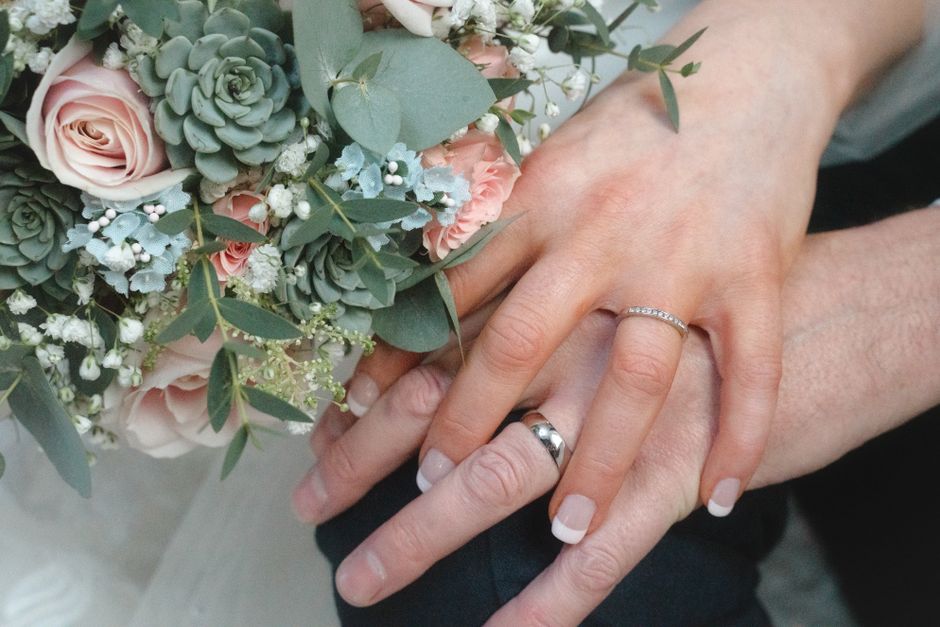
Why Romford Market wedding flowers ideas for Chase Cross couples Matters
Wedding flowers are not just decoration. They set the mood before guests even sit down. A bouquet, table arrangement, or buttonhole can quietly tell the whole story of your day: classic, relaxed, traditional, colourful, modern, or somewhere in between. For couples in Chase Cross, the appeal of getting inspired around Romford Market is that you can compare styles in a real-world setting, not just on a screen that makes everything look more perfect than it will ever be in daylight.
That matters because wedding flowers have to answer a few practical questions at once. Will the flowers hold up in the car? Will they suit your venue? Do they work in a church, a registry office, a marquee, or a pub reception? Are they in season? Are they easy to carry, pin, or arrange? When you think about flowers in that way, you start making better decisions.
There is also the local side of things. Chase Cross couples often need flexibility, quick communication, and straightforward ordering. That is where browsing reliable wedding flower options can be useful. If you are also planning personal touches for the bridal party, it helps to look at a florist who offers a joined-up selection such as wedding flowers, plus matching pieces for the wedding party and table setting.
And let's be honest: most couples do not want florist jargon. They want something that looks lovely, feels like them, and arrives without stress. Fair enough.
How Romford Market wedding flowers ideas for Chase Cross couples Works
The simplest way to think about it is this: start with the look, then shape the flowers around the logistics. A good flower plan usually moves from inspiration to selection, then to sizing, then to delivery or collection. If you try to do it the other way round, you can end up with a bouquet that looks beautiful on its own but clashes with everything else on the day. Bit annoying, really.
For example, a couple who loves soft blush and ivory might choose a bridal bouquet, bridesmaid bouquets, buttonholes, and a table arrangement in the same family of tones. Another couple may prefer a bolder palette with red, purple, or mixed colours for a more striking feel. Either approach can work, but the key is consistency.
There is no single Romford Market wedding flower formula. Instead, think in layers:
- Hero pieces - the bridal bouquet and possibly a statement arrangement for the ceremony or top table.
- Support pieces - bridesmaid bouquets, buttonholes, corsages, and smaller table flowers.
- Style details - ribbon, texture, foliage, vase choice, and colour balance.
- Timing and handling - when flowers arrive, how they are stored, and who is responsible for placing them.
If you are ordering online as part of the process, it can help to compare wedding collections with a few structured product options such as wedding collections, bridal bouquets, and buttonholes. That gives you a clearer sense of how the full look comes together.
In practice, the best results happen when the flowers are chosen with the whole day in mind. Not just the bouquet on its own. The whole day.
Key Benefits and Practical Advantages
There are plenty of reasons Chase Cross couples look at wedding flowers ideas through a Romford Market lens, especially when they want something attractive but sensible. The biggest benefit is choice. You can often find different looks side by side, which makes it easier to spot what you actually like rather than what looked nice in a photo for five seconds.
Here are the practical advantages that matter most:
- Budget control: You can shape the arrangement around your priorities, spending more on the bouquet if that is your main photo piece, or spreading the budget across table flowers and accessories.
- Style clarity: Comparing flowers in person or through a focused product range makes it easier to decide between romantic, modern, rustic, or classic wedding styling.
- Convenience: A straightforward florist setup saves time during the run-up to the wedding, which is usually when your brain is juggling a hundred tiny things.
- Better matching: Coordinated bouquets, corsages, and table pieces create a more polished result than buying items separately with no plan.
- Seasonal awareness: Season-friendly flowers tend to look fresher and can be easier to source in the style you want.
There is also an emotional benefit that gets overlooked. Flowers help the day feel properly finished. Without them, even the nicest venue can feel a bit bare. With them, everything softens. The room changes. The photos change too.
If you want a simple, cohesive approach, look at bridal and bridesmaid pairings such as bridesmaid bouquets alongside your main bouquet, then add a few carefully chosen table arrangements so the ceremony and reception feel visually connected.
Who This Is For and When It Makes Sense
This approach makes sense for couples who want a local, practical way to think about wedding flowers without getting buried in endless options. If you are planning a small ceremony in Chase Cross, a larger reception in Romford, or a simple family celebration, the same basic logic applies: choose flowers that fit the day, not the other way around.
It is especially useful if you:
- need wedding flowers that are elegant but not overcomplicated
- want to keep costs under control without making the day look sparse
- prefer a coordinated set of flowers rather than mixed one-off purchases
- are deciding between classic whites, romantic pinks, rich reds, or a mixed palette
- need pieces for the bride, bridesmaids, groom, and tables all in one place
It also helps if you are not the kind of couple who wants to spend weeks chasing ten different suppliers. Honestly, who has the time? A florist with a strong wedding range can simplify the whole thing. Even a basic shortlist can make planning feel much calmer.
For some couples, it makes sense to keep the flowers quite minimal. A refined bouquet, a few buttonholes, and a small table arrangement can be enough. For others, a fuller collection makes more sense, especially if photos and guest impressions are a big priority. There is no prize for overdoing it.
Step-by-Step Guidance
If you want the process to stay manageable, work through it in a simple order. This is the part where things become much less stressful, really.
-
Decide the overall mood of the wedding.
Start with the feeling, not the flower list. Are you aiming for soft and romantic, crisp and modern, or bright and joyful? A wedding bouquet should echo the mood of the dress, venue, and colour scheme.
-
Choose your main colour direction.
Popular directions include white and green, blush and ivory, pink and purple, red and white, or mixed colours. If your wedding outfit already has strong tones, keep the flowers balanced rather than competing with them.
-
Pick the hero arrangement first.
Your bridal bouquet usually sets the tone for everything else. From there, decide whether you want matching bridesmaid bouquets, groom buttonholes, corsages, or additional arrangements for the venue.
-
Match the scale to the venue.
A compact ceremony space can be overwhelmed by huge displays. A large reception room, on the other hand, may need slightly fuller arrangements so the flowers do not disappear into the background.
-
Check practical details early.
Ask how the flowers are packed, when they arrive, and how long they are expected to last before the ceremony. If there will be warm weather or a long travel window, that affects choice and handling. It really does.
-
Confirm the smaller pieces.
Buttonholes, corsages, and table flowers are easy to forget until the last minute. Then everyone is rummaging around on the morning of the wedding. Not ideal.
-
Plan the day-of handover.
Decide who is taking delivery, who is placing the flowers, and where each item should go. That one bit of planning saves a surprising amount of hassle.
For couples using an online florist model, it is sensible to compare product ranges such as wedding corsages and wedding gifts if you want thank-you items or extra finishing touches for key people. Small details matter more than people expect.
Expert Tips for Better Results
Over time, the couples who end up happiest with their flowers tend to follow a few practical habits. None of them are glamorous, but they work.
1. Keep one idea leading, not five. If you mix too many styles, the overall look can become muddled. A simple theme with a strong colour story usually looks more elegant than a basket of disconnected ideas.
2. Think about texture as much as colour. Roses, lilies, lisianthus, orchids, chrysanthemums, and greenery all behave differently visually. Soft petals feel romantic. Cleaner lines feel modern. Texture creates depth in photos, especially in natural light.
3. Use the bouquet to guide the whole palette. The bouquet is often the easiest place to define the wedding style. Once that is set, bridesmaid bouquets and table arrangements can echo it without feeling copy-pasted.
4. Do not forget the venue light. A bouquet can look one way in a shop and another under bright registry office lighting or dim evening reception lighting. White flowers read differently from pink or red flowers. That is normal, but worth knowing.
5. Aim for balance, not perfection. A wedding bouquet should look designed, yes, but not stiff. Slight variation in shape and movement can make flowers feel more alive. A little asymmetry is often a good thing. A very good thing, actually.
If you like classic pairings, consider whites with green foliage, soft blush with ivory, or a richer look with deep red and purple. If you want something more contemporary, mixed-colour bouquets can work beautifully when they are controlled rather than chaotic. There is a fine line there.
One useful trick is to compare a few finished styles before deciding. A polished range such as wedding collection styles can help you spot whether you prefer coordinated simplicity or a fuller, more layered design.
Common Mistakes to Avoid
Wedding flowers are one of those things that seem straightforward until the planning gets real. Then small mistakes start multiplying. Here are the ones we see most often.
- Choosing flowers before choosing the mood: This is the classic trap. If you start with a random bloom you saw online, the rest of the day has to work around it.
- Ignoring the size of the bouquet: A bouquet that looks romantic in the hand may be too bulky for comfort if the dress is fitted or the ceremony is long.
- Forgetting the supporting flowers: Buttonholes and corsages matter more than people think. They help the wedding party feel united.
- Overcomplicating the colour palette: Too many colours can make the whole design feel less cohesive, even if each flower is pretty on its own.
- Leaving delivery or collection too late: Flowers need a calm handover. If the timing is rushed, everything feels rushed. You know how it goes.
- Not checking care instructions: Some flowers need a little more handling than others. A quick read of flower care guidance can prevent avoidable disappointment.
Another common mistake is assuming all flowers will look equally good in every setting. They won't. Some blooms feel perfect for a spring church wedding, others suit a relaxed summer reception much better. That is not a flaw. It is just design.
One more thing: if you want your flowers to last through the day, make storage and transport part of the plan. Simple, but easy to miss when everyone is excited and running on tea and adrenaline.
Tools, Resources and Recommendations
You do not need a complicated toolkit to plan wedding flowers well. You need a few clear references and a bit of discipline.
- Colour mood board: Keep a small visual board with dress fabric, venue photos, and flower examples.
- Guest and party list: Know exactly who needs flowers, from the bride and bridesmaids to the groom and parents.
- Delivery schedule: Set the preferred delivery or collection time early, especially for morning ceremonies.
- Flower notes: Write down what you like and do not like. Sounds basic, but it saves a lot of back-and-forth.
- Product comparisons: Use curated ranges for bridal bouquets, centrepieces, and accessories so the style stays coherent.
For local couples looking to keep everything under one roof, it can be useful to browse related wedding items such as table arrangements, bridesmaid bouquets, and buttonholes. That way you are not trying to match items from different places after the fact.
If you need help with the wider ordering process, a trusted local florist page such as florist in Chase Cross RM5 can be a sensible starting point for practical, local planning.
Law, Compliance, Standards, or Best Practice
For wedding flowers, there is usually no complex legal process for the couple, but there are still sensible standards and expectations to keep in mind. The main one is straightforward consumer care: you want clear descriptions, transparent ordering, dependable delivery terms, and a fair returns or refund approach if something goes wrong. That is basic professionalism, not a bonus.
It is also worth checking practical policies before you order. For example, delivery terms, payment methods, privacy information, and refund guidance should all be easy to understand. On a local florist website, pages such as delivery information, payment details, returns and refund policy, and terms and conditions should help you understand the basics before you commit.
In terms of flower quality, the usual best practice is simple: choose fresh arrangements, keep them watered or properly handled as instructed, and avoid exposing them to heat or direct sunlight for too long. That advice is not dramatic. It just works.
If you are planning a wedding with specific cultural or religious requirements, be sure to match the flowers and presentation to those expectations. A florist can usually help with that, but the briefing has to be clear. Better to say too much than too little, honestly.
Options, Methods, or Comparison Table
Different couples want different approaches. Some want a full coordinated set. Others only need a bouquet and a couple of buttonholes. This table breaks down the main options in a practical way.
| Option | Best for | Strengths | Watch-outs |
|---|---|---|---|
| Bridal bouquet only | Small ceremonies or very simple weddings | Focused budget, easy planning, strong visual impact | Can look unfinished if the rest of the party is not coordinated |
| Bouquet plus buttonholes | Traditional weddings with a modest floral plan | Balances cost and style, good for photos | May feel minimal if you want the venue to look decorated too |
| Full wedding set | Couples wanting a complete, polished look | Very cohesive, suited to larger wedding parties | Needs more coordination and clear timing |
| Collection-based approach | Couples who like matching pieces and less decision fatigue | Consistent styling, easier to shortlist | Less room for highly custom design changes |
| Mix-and-match styling | Couples who want a more personal, flexible look | Creative freedom, easier to adjust around budget | Can feel disjointed if the palette is too broad |
If you like a neat, coordinated route, browse styles such as bridal bouquets and corsages together. If you prefer something slightly more personalised, use the table above to decide where to go lighter and where to go fuller. That balance is usually the sweet spot.
Case Study or Real-World Example
Imagine a Chase Cross couple planning a late spring wedding. They want something elegant, not fussy, and they are working with a sensible budget. The bride likes soft pinks and whites. The groom wants the flowers to feel classic rather than overly trendy. The venue is a modest indoor reception room, so oversized arrangements would probably feel too much.
They start with a bouquet as the anchor piece. From there, they choose matching bridesmaid bouquets in a slightly smaller shape, a few buttonholes, and simple table arrangements. Instead of forcing a lot of colour into the room, they keep the palette calm and layered. White roses, pale pink accents, and a little greenery do most of the work. Nothing wild, nothing overcooked.
What made the difference? They didn't try to do everything. They picked one look and carried it through. The flowers suited the room, the outfit, and the season. The result felt thoughtful, not overworked. And the photos, which is where these things really get judged, looked clean and cohesive.
That is the sort of outcome many couples are after when they explore Romford Market wedding flowers ideas for Chase Cross couples. Not extravagant for the sake of it. Just right. There is a lot to be said for that.
Practical Checklist
Use this checklist to keep things on track before you place your order:
- Have you decided the overall wedding style: classic, romantic, modern, rustic, or colourful?
- Do you know your main colour palette?
- Have you chosen the bridal bouquet first?
- Do you need bridesmaid bouquets, buttonholes, corsages, or table arrangements?
- Have you checked whether the flowers suit the season and venue?
- Do you understand delivery, storage, and handover timing?
- Have you looked at care guidance for the flowers you want?
- Do you have a clear budget split between hero pieces and supporting pieces?
- Have you confirmed the final quantities for the wedding party and guests?
- Are the order details written down somewhere simple and easy to find on the day?
If you can tick most of those off, you are in good shape. Not perfect, just organised enough to breathe a bit easier.
Get a free quote today and see how much you can save.
Conclusion
The best Romford Market wedding flowers ideas for Chase Cross couples are the ones that make the day feel effortless, even though a lot of thought has gone into them. Start with the mood, choose a palette that fits the venue and season, and build the rest of the flowers around that. Keep it simple where you can, and more detailed where it matters most.
If you are comparing options now, focus on the bouquet first, then the supporting flowers, then the table pieces and finishing touches. That order keeps the planning sane. It also helps you avoid buying pretty things that do not actually work together, which happens more than people like to admit.
Done well, wedding flowers do more than decorate a room. They give the whole day a feeling. A soft one, a joyful one, or a quietly elegant one. And when you get that feeling right, everything else seems to settle into place.
There is something lovely about that, really. One small detail turning into the thing everyone remembers.
Frequently Asked Questions
What are the best wedding flowers ideas for Chase Cross couples?
The best ideas usually depend on your venue, season, and budget. Classic rose-and-green combinations, blush and ivory bouquets, or coordinated white wedding flowers are all strong choices. If you want something easier to manage, a matching bouquet and buttonhole set is often a smart starting point.
Can I order wedding flowers through a local Romford Market florist style range?
Yes, many couples use a local florist-style range to compare bouquets, buttonholes, and table arrangements in one place. That makes it easier to keep the look consistent and avoid mismatched pieces from different suppliers.
How far in advance should I plan wedding flowers?
It is sensible to start early, especially if you want a specific colour scheme or matching wedding party flowers. The exact timing depends on your wedding date and the style you want, but early planning gives you more flexibility and less last-minute pressure.
What flowers work best for a small wedding in Chase Cross?
For smaller weddings, a compact bridal bouquet, a few buttonholes, and one or two table arrangements can be enough. Roses, lisianthus, lilies, and mixed seasonal flowers often work well because they look polished without feeling oversized.
Are white wedding flowers always the safest choice?
White flowers are popular because they are versatile and elegant, but they are not the only safe option. Soft pink, purple, red, or mixed-colour palettes can look just as good if they suit your dress, venue, and overall theme.
What should I include besides the bridal bouquet?
Most couples also need bridesmaid bouquets, buttonholes, and sometimes corsages or table arrangements. If you want a cohesive look, it helps to plan those pieces together rather than adding them later as an afterthought.
How do I choose between classic and modern wedding flowers?
Classic flowers usually feel softer, more traditional, and more romantic. Modern arrangements tend to use cleaner shapes, stronger contrast, or more sculptural design. The easiest way to decide is to match the flowers to the style of dress and venue.
Do wedding flowers need special care on the day?
Yes, they usually do. Keep them cool, avoid direct sun for too long, and follow any handling instructions given by the florist. Even sturdy flowers can look tired if they are left in heat or handled too much.
Are buttonholes and corsages really necessary?
Not strictly necessary, but they do help the wedding party look coordinated. For many couples, they are a small detail that adds a nice finished feel without adding too much complexity.
How can I keep wedding flower costs under control?
Choose one or two hero pieces, keep the palette focused, and avoid unnecessary extras. Using coordinated collections and sticking to a few core flower types can help you get a polished look without stretching the budget too far.
What if I want something a bit different from the usual rose bouquet?
That is fine. Mixed flowers, lilies, orchids, lisianthus, and textured arrangements can create a more individual look. The key is to keep the whole design balanced so it still feels wedding-ready rather than random.
Where should I start if I feel overwhelmed?
Start with the bridal bouquet, then decide the colour palette, and then add the supporting items. Once those three pieces are clear, the rest becomes much easier. A lot of stress comes from trying to answer everything at once.


